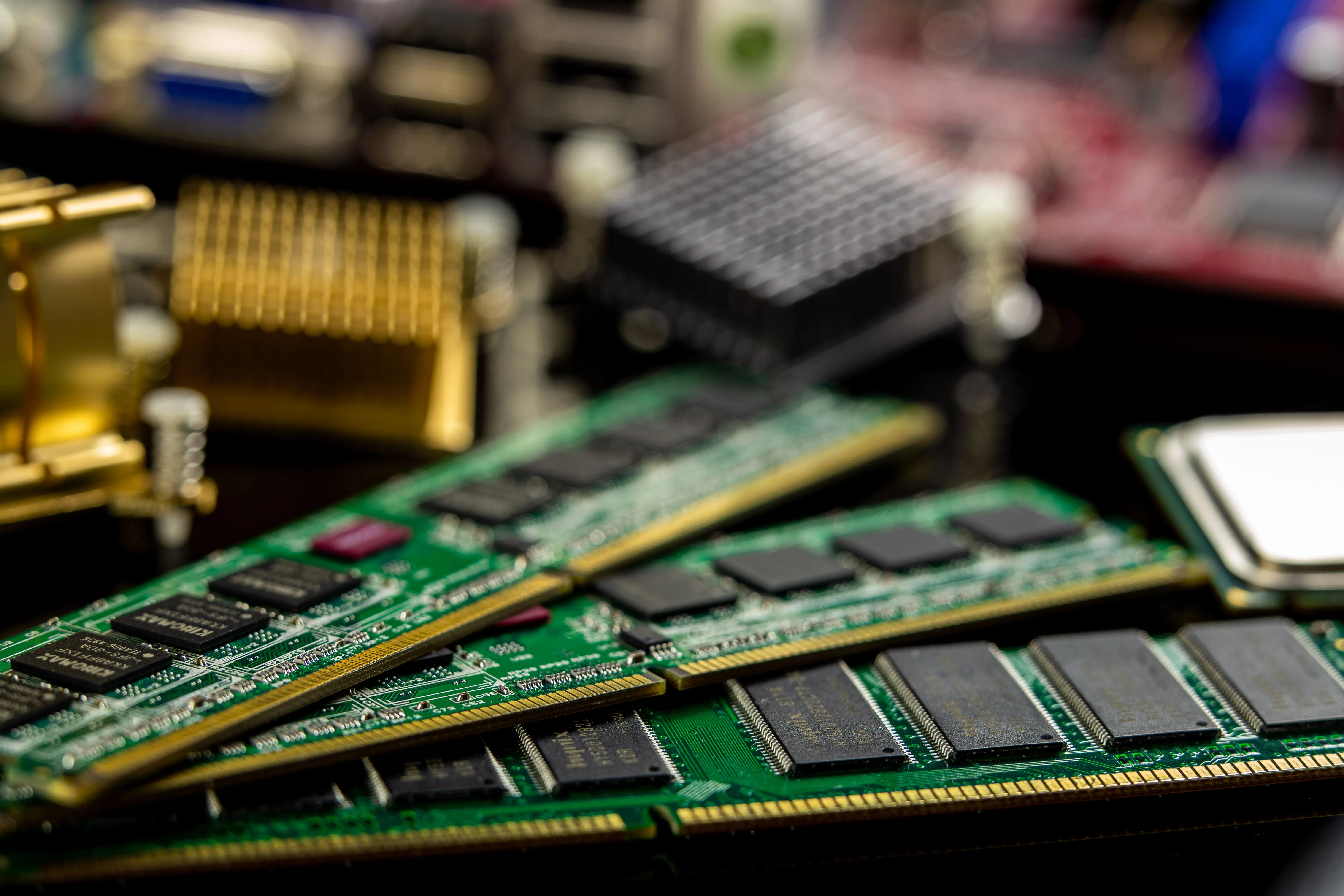
The Memory Crunch Has Become an Edge Infrastructure Decision
For most of edge computing's short history, memory has been a line item. You pick a server, it ships with enough DRAM to run your workloads, and you move on. That assumption stopped holding this year.
Conventional DRAM contract prices rose 58% to 63% in a single quarter, and NAND flash, the silicon behind every SSD, rose 70% to 75%, according to TrendForce. Those are quarter over quarter numbers, not annual. The third quarter is forecast to keep climbing, at 13% to 18%.
What surprises people outside procurement is that none of this is about the edge. The AI buildout caused it.
Not just memory
People usually call it a memory shortage, which undersells it. The same squeeze is hitting storage, and now the whole server.
Lenovo executive Marco Andresen was blunt: "There is an unprecedented cost increase widely in the industry, especially on memory and SSD. The cost increase itself is more dramatic than usual — more than any player can mitigate." Industry reports have Dell, Lenovo, HP, and HPE all planning increases of about 15% on servers and 5% on PCs.
The edge hardware budget is getting squeezed from three directions at once. DRAM is up by more than half. SSD-grade NAND is up by nearly three quarters. The finished server is up by double digits, an increase that pulls in CPUs and the rest of the silicon, not just memory and storage. A box that cost a certain amount six months ago does not cost that anymore, and nothing about the pressure suggests it will reverse soon.
Why the edge catches the worst of it
Three companies make nearly all the memory the industry uses: Samsung, SK Hynix, and Micron. The same production lines that make ordinary DRAM also make high-bandwidth memory, or HBM, the tightly stacked DRAM that AI accelerators depend on. HBM sells for a lot more, and when capacity is finite, the more profitable product wins. Suppliers have spent the year prioritizing AI and server products, which is why the open market for conventional DRAM has stayed undersupplied.
Industrial and edge hardware sits in the tier that catches the worst of this. Factory controllers, store servers, and embedded boards often run DDR4, not because it is cheap but because it is stable and supported across the ten year service life this equipment is specified for. Consumer PCs moved to DDR5 years ago. The edge did not. VersaLogic, which builds embedded and industrial single-board computers, reports that DDR4 and DDR5 both remain subject to allocation controls and extended lead times, and that long-term DDR3 supply commitments are getting hard to secure at all.
The memory the edge actually uses is the legacy tier, and the legacy tier is exactly what the fabs are deprioritizing.
Memory becomes a design variable
First, memory content has to be treated as a design variable, not a line item. Edge workloads rarely need the newest memory tier. The AI buildout's HBM-hungry training jobs are what drove prices up; a store server running point-of-sale and inventory has no such requirement. Edge servers can often get away with DDR4, which is cheaper than DDR5, provided the workload is designed with that tier in mind from the start. Trimming headroom is now cheaper than paying current prices for capacity nobody uses.
Second, supply terms have to move earlier in the conversation. The largest buyers have been locking in long-term agreements, which is why they are insulated for the length of those terms. The exposure concentrates on the newest, most memory-hungry items on a capital plan, the vision boxes and AI accelerators added on top of existing systems, precisely because they are the least likely to sit under an agreement negotiated years ago.
Efficiency is the cheapest form of margin
For distributed operators, this changes what the platform itself is worth.
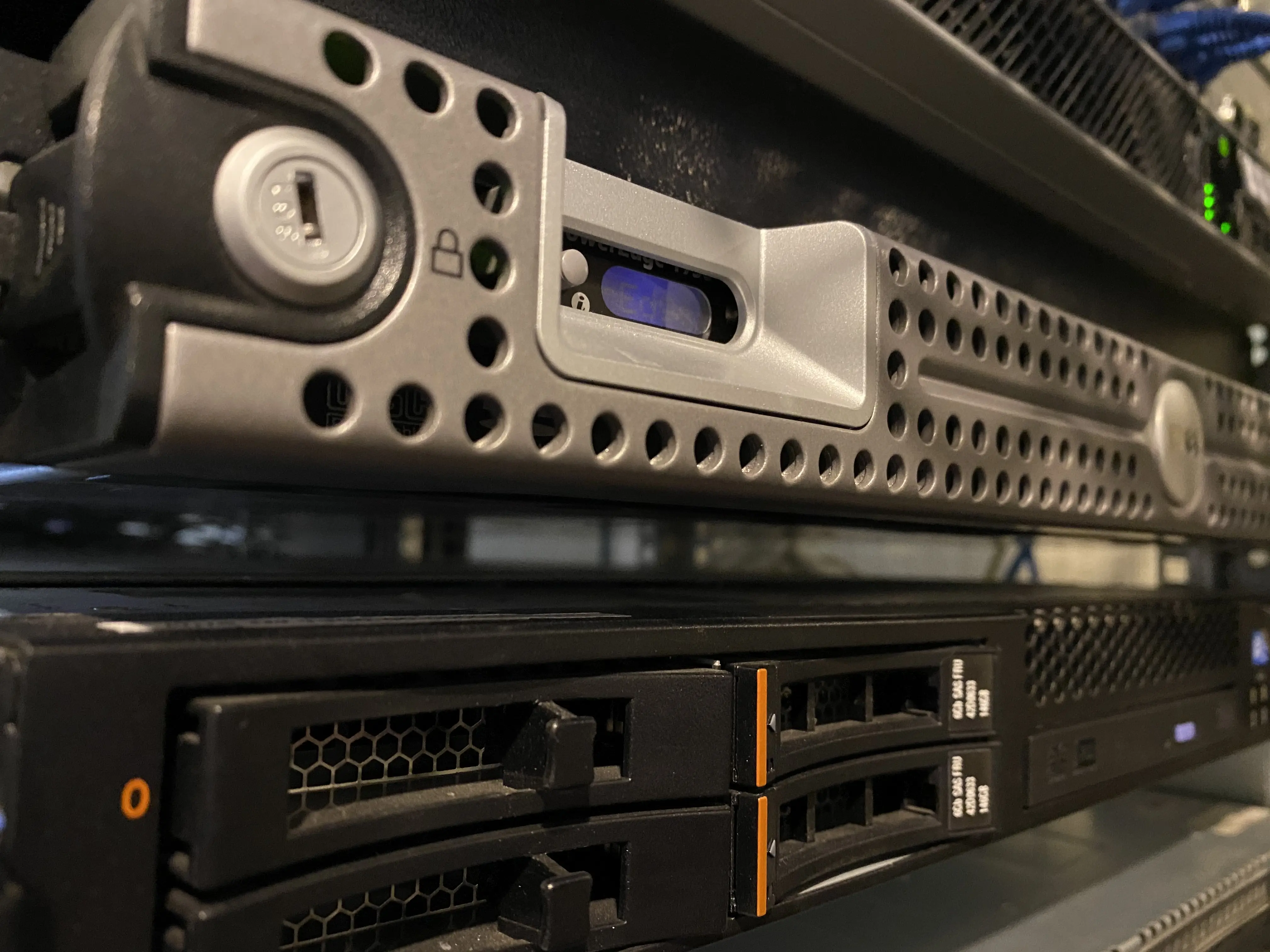
Tekkio is built around exactly this. A site is defined by a profile that specifies which workloads run on which node, so consolidating several functions onto one DDR4 server is a configuration decision rather than a migration project. When memory is expensive, running multiple workloads on one store server instead of one box per function is money back on the table. A fleet of 200 sites on a lean, consolidated footprint absorbs a DRAM or SSD spike far better than an architecture that assumed cheap headroom everywhere.
Server consolidation, workload efficiency, and running lean have always been sensible. The memory crunch does not change that direction. It just raises the cost of ignoring it.
The memory shortage is not a reason to delay edge deployments. It is a reason to design them differently: smaller footprints, workloads built to fit cheaper DDR4, consolidated hardware, supply terms locked in early. The operators who treat efficiency as an architecture decision rather than a procurement afterthought are the ones the next quarter's price increases will not catch off guard.

October 01, 2025
September 01, 2025

October 13, 2025
The Memory Crunch Has Become an Edge Infrastructure Decision
For most of edge computing's short history, memory has been a line item. You pick a server, it ships with enough DRAM to run your workloads, and you move on. That assumption stopped holding this year.
Conventional DRAM contract prices rose 58% to 63% in a single quarter, and NAND flash, the silicon behind every SSD, rose 70% to 75%, according to TrendForce. Those are quarter over quarter numbers, not annual. The third quarter is forecast to keep climbing, at 13% to 18%.
What surprises people outside procurement is that none of this is about the edge. The AI buildout caused it.
Not just memory
People usually call it a memory shortage, which undersells it. The same squeeze is hitting storage, and now the whole server.
Lenovo executive Marco Andresen was blunt: "There is an unprecedented cost increase widely in the industry, especially on memory and SSD. The cost increase itself is more dramatic than usual — more than any player can mitigate." Industry reports have Dell, Lenovo, HP, and HPE all planning increases of about 15% on servers and 5% on PCs.
The edge hardware budget is getting squeezed from three directions at once. DRAM is up by more than half. SSD-grade NAND is up by nearly three quarters. The finished server is up by double digits, an increase that pulls in CPUs and the rest of the silicon, not just memory and storage. A box that cost a certain amount six months ago does not cost that anymore, and nothing about the pressure suggests it will reverse soon.
Why the edge catches the worst of it
Three companies make nearly all the memory the industry uses: Samsung, SK Hynix, and Micron. The same production lines that make ordinary DRAM also make high-bandwidth memory, or HBM, the tightly stacked DRAM that AI accelerators depend on. HBM sells for a lot more, and when capacity is finite, the more profitable product wins. Suppliers have spent the year prioritizing AI and server products, which is why the open market for conventional DRAM has stayed undersupplied.
Industrial and edge hardware sits in the tier that catches the worst of this. Factory controllers, store servers, and embedded boards often run DDR4, not because it is cheap but because it is stable and supported across the ten year service life this equipment is specified for. Consumer PCs moved to DDR5 years ago. The edge did not. VersaLogic, which builds embedded and industrial single-board computers, reports that DDR4 and DDR5 both remain subject to allocation controls and extended lead times, and that long-term DDR3 supply commitments are getting hard to secure at all.
The memory the edge actually uses is the legacy tier, and the legacy tier is exactly what the fabs are deprioritizing.
Memory becomes a design variable
First, memory content has to be treated as a design variable, not a line item. Edge workloads rarely need the newest memory tier. The AI buildout's HBM-hungry training jobs are what drove prices up; a store server running point-of-sale and inventory has no such requirement. Edge servers can often get away with DDR4, which is cheaper than DDR5, provided the workload is designed with that tier in mind from the start. Trimming headroom is now cheaper than paying current prices for capacity nobody uses.
Second, supply terms have to move earlier in the conversation. The largest buyers have been locking in long-term agreements, which is why they are insulated for the length of those terms. The exposure concentrates on the newest, most memory-hungry items on a capital plan, the vision boxes and AI accelerators added on top of existing systems, precisely because they are the least likely to sit under an agreement negotiated years ago.
Efficiency is the cheapest form of margin
For distributed operators, this changes what the platform itself is worth.
Tekkio is built around exactly this. A site is defined by a profile that specifies which workloads run on which node, so consolidating several functions onto one DDR4 server is a configuration decision rather than a migration project. When memory is expensive, running multiple workloads on one store server instead of one box per function is money back on the table. A fleet of 200 sites on a lean, consolidated footprint absorbs a DRAM or SSD spike far better than an architecture that assumed cheap headroom everywhere.
Server consolidation, workload efficiency, and running lean have always been sensible. The memory crunch does not change that direction. It just raises the cost of ignoring it.
The memory shortage is not a reason to delay edge deployments. It is a reason to design them differently: smaller footprints, workloads built to fit cheaper DDR4, consolidated hardware, supply terms locked in early. The operators who treat efficiency as an architecture decision rather than a procurement afterthought are the ones the next quarter's price increases will not catch off guard.
October 01, 2025
September 01, 2025
October 13, 2025