Making Low End Hardware Reliable at the Edge
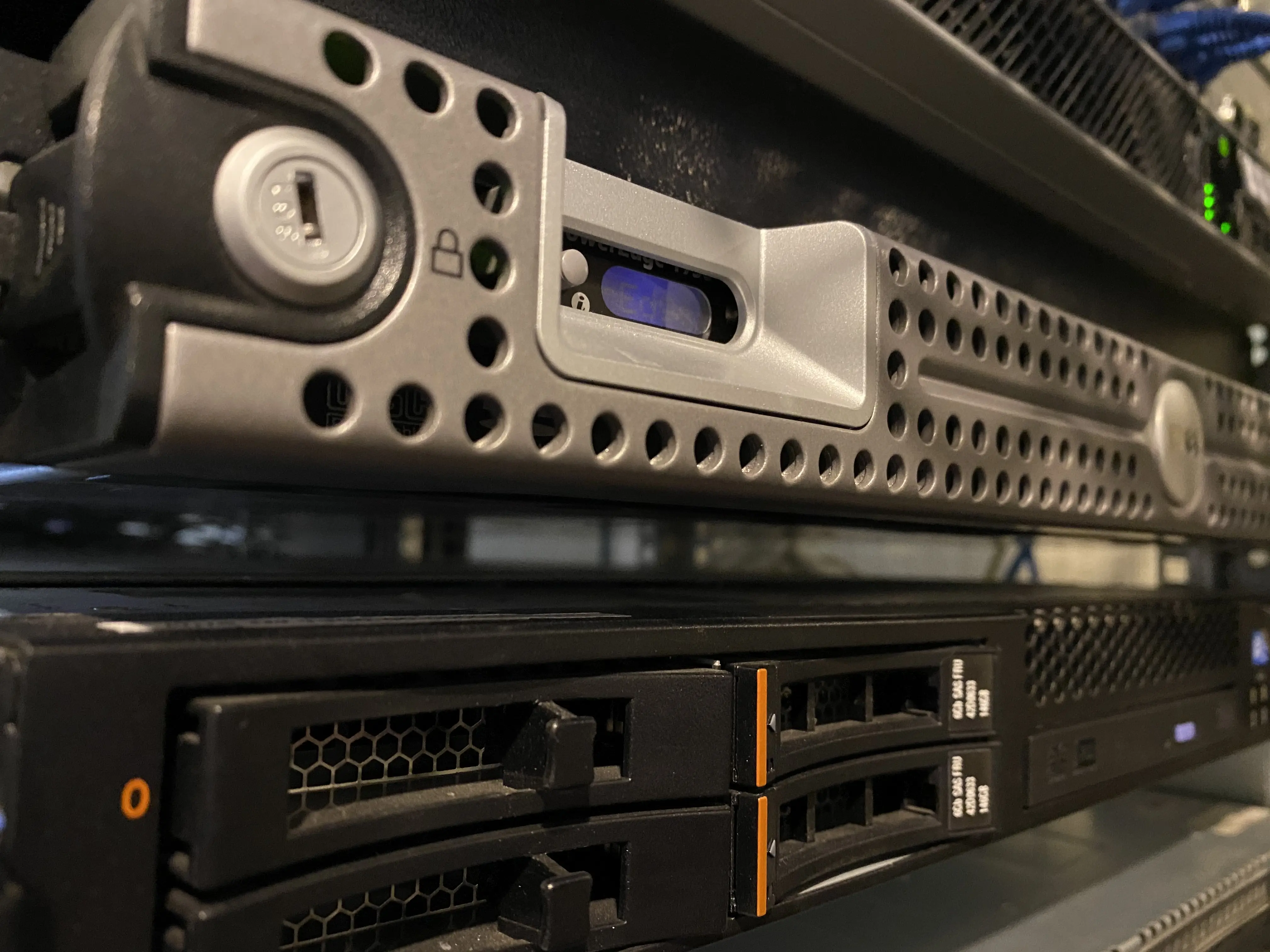
When we think about running edge environments, the first instinct is often to look at software solutions originally built for the data center. These platforms are powerful and proven, but they come with an assumption: you’re running them on expensive, high-end hardware with UPSes and other supporting infrastructure. The problem is, that assumption is not true when you’re working at the edge.
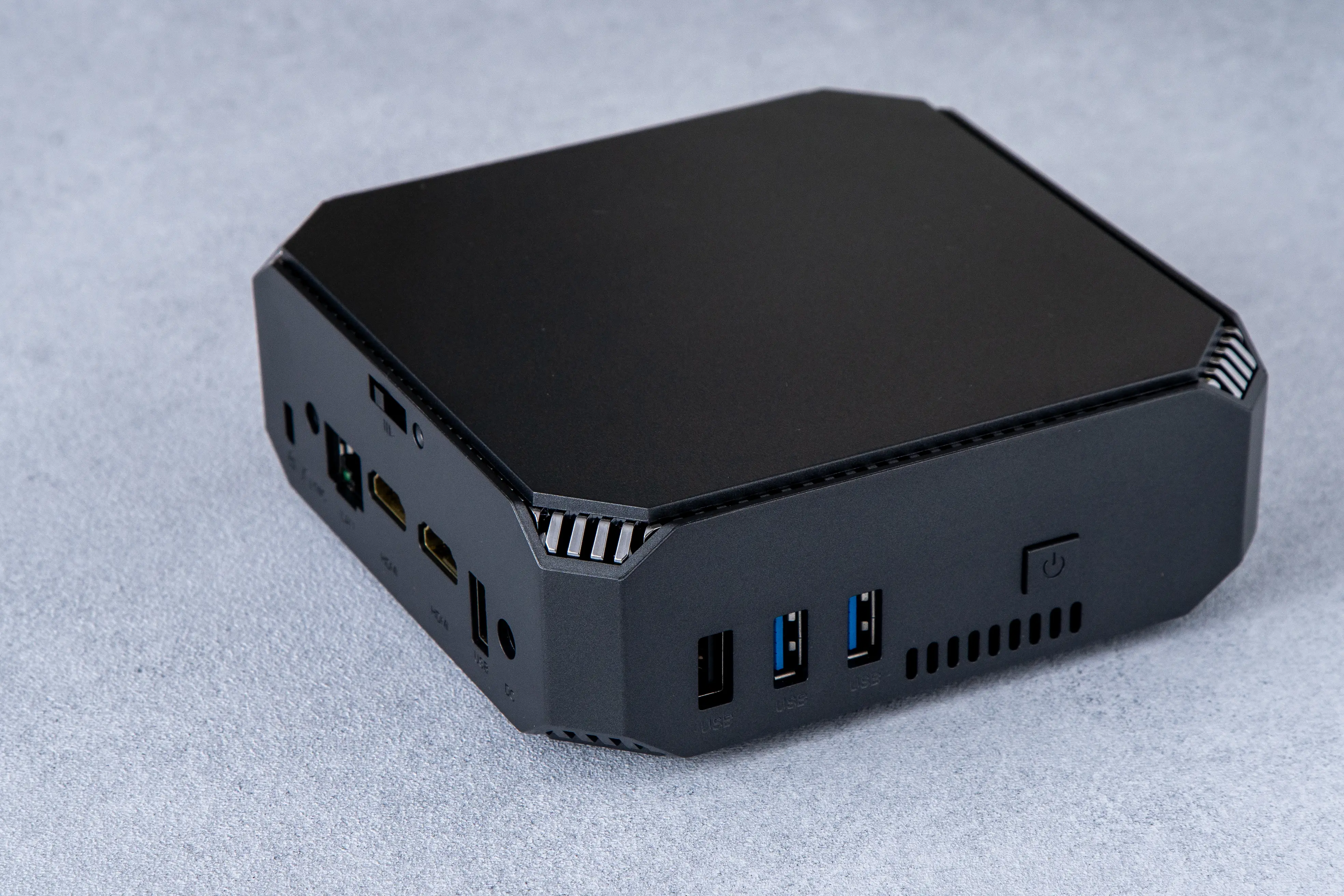
At edge, cost and footprint matter. A $10,000 server isn’t realistic at every location. Neither is a $2,000 UPS or a $7,500 generator. Businesses want to run on affordable, low-end hardware that costs a fraction of an enterprise server. That’s a smart way to save money, but as usual, it comes with challenges and low-end systems like mini or desktop PCs are rarely on the supported HW list of datacenter solutions.
The Problem with Low-End Hardware
To be clear, low-end hardware is far different from server-grade hardware. Even though PCs have improved a lot in terms of performance and reliability in recent years, there are still big differences compared to proper servers.
Storage is less reliable, since low-cost drives don’t have the same protections as enterprise systems. Networking is weaker too, because low-cost switches don’t support features like MLAG (multi-chassis link aggregation), which leaves you with single points of failure. And then there’s power: in a data center, outages are rare since there are battery backups and generators. But at remote sites, that’s not typically the case, so downtime and recovery have to be properly planned for.
For these reasons, most of what’s offered in the market avoids supporting low-end and requires servers to be on UPS and generator power. But there is another, even more important issue: Availability. Servers typically have a very predictable lifetime with a year or two of being sold new, and then an extended support life during which refurbished hardware is typically available. This is not the case for low-end servers. Systems are often produced for only one run and then remain sold out, and even desktops from reputable manufacturers often substitute components throughout the lifecycle of their low-end offerings.
This quickly leads to non-uniform hardware, another often unsupported configuration. Difficult to test and support, few software vendors consider it worth the effort to test hardware combinations, pushing the cost onto the customer by requiring them to purchase matching hardware or at best offering a small compatibility list. But not Tekkio.
How Tekkio Makes Low-End Reliable
From the start, Tekkio is purposely designed for environments where hardware is not only low-cost but also inconsistent across locations or even within clusters.
Take networking, for example. Most solutions depend on MLAG for network redundancy, which requires expensive switches. Tekkio can run across multiple independent networks and manage failover automatically, so you get the reliability benefits of MLAG even on a $100 switch. Storage is another area where it closes the gap. Tekkio uses its own file system, TekkioFS, which was built specifically for reliability, checksumming every I/O and ensuring recoverability, so data remains safe even on inexpensive drives. And because remote sites rarely have generator-backed power, the system is built to recover gracefully after outages, without the need for manual intervention.
The Bottom Line
Running edge environments on low-end hardware is about balancing cost and reliability. By default, budget systems are no match to the robustness of enterprise servers, but with a software design that’s focused on this environment, that gap can be closed. Tekkio developed a solution that brings the networking, storage and recovery features that make inexpensive hardware dependable.
In the end, as long as performance is sufficient, stores can run on $150 mini PCs instead of $4,000 servers, with assurance of reliability.

October 01, 2025
September 01, 2025

October 13, 2025
Making Low End Hardware Reliable at the Edge
When we think about running edge environments, the first instinct is often to look at software solutions originally built for the data center. These platforms are powerful and proven, but they come with an assumption: you’re running them on expensive, high-end hardware with UPSes and other supporting infrastructure. The problem is, that assumption is not true when you’re working at the edge.
At edge, cost and footprint matter. A $10,000 server isn’t realistic at every location. Neither is a $2,000 UPS or a $7,500 generator. Businesses want to run on affordable, low-end hardware that costs a fraction of an enterprise server. That’s a smart way to save money, but as usual, it comes with challenges and low-end systems like mini or desktop PCs are rarely on the supported HW list of datacenter solutions.
The Problem with Low-End Hardware
To be clear, low-end hardware is far different from server-grade hardware. Even though PCs have improved a lot in terms of performance and reliability in recent years, there are still big differences compared to proper servers.
Storage is less reliable, since low-cost drives don’t have the same protections as enterprise systems. Networking is weaker too, because low-cost switches don’t support features like MLAG (multi-chassis link aggregation), which leaves you with single points of failure. And then there’s power: in a data center, outages are rare since there are battery backups and generators. But at remote sites, that’s not typically the case, so downtime and recovery have to be properly planned for.
For these reasons, most of what’s offered in the market avoids supporting low-end and requires servers to be on UPS and generator power. But there is another, even more important issue: Availability. Servers typically have a very predictable lifetime with a year or two of being sold new, and then an extended support life during which refurbished hardware is typically available. This is not the case for low-end servers. Systems are often produced for only one run and then remain sold out, and even desktops from reputable manufacturers often substitute components throughout the lifecycle of their low-end offerings.
This quickly leads to non-uniform hardware, another often unsupported configuration. Difficult to test and support, few software vendors consider it worth the effort to test hardware combinations, pushing the cost onto the customer by requiring them to purchase matching hardware or at best offering a small compatibility list. But not Tekkio.
How Tekkio Makes Low-End Reliable
From the start, Tekkio is purposely designed for environments where hardware is not only low-cost but also inconsistent across locations or even within clusters.
Take networking, for example. Most solutions depend on MLAG for network redundancy, which requires expensive switches. Tekkio can run across multiple independent networks and manage failover automatically, so you get the reliability benefits of MLAG even on a $100 switch. Storage is another area where it closes the gap. Tekkio uses its own file system, TekkioFS, which was built specifically for reliability, checksumming every I/O and ensuring recoverability, so data remains safe even on inexpensive drives. And because remote sites rarely have generator-backed power, the system is built to recover gracefully after outages, without the need for manual intervention.
The Bottom Line
Running edge environments on low-end hardware is about balancing cost and reliability. By default, budget systems are no match to the robustness of enterprise servers, but with a software design that’s focused on this environment, that gap can be closed. Tekkio developed a solution that brings the networking, storage and recovery features that make inexpensive hardware dependable.
In the end, as long as performance is sufficient, stores can run on $150 mini PCs instead of $4,000 servers, with assurance of reliability.
October 01, 2025
September 01, 2025
October 13, 2025